
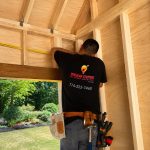


Building a custom home is an exciting journey that allows you to create a living space tailored to your lifestyle, preferences, and needs. Unlike purchasing a pre-built home, the custom home building process involves multiple steps, from initial planning to final construction. Understanding each phase can help you navigate the process with confidence. In this guide, we’ll walk you through every stage of building your dream home with the help of custom home builders.
Step 1: Planning and Budgeting
The first step in building a custom home is defining your vision and budget. Before contacting custom home builders, consider the following:
- Home Style & Features: Do you prefer a modern, traditional, or farmhouse-style home? How many bedrooms and bathrooms do you need?
- Budget: Determine how much you can afford to spend, factoring in construction costs, permits, and unexpected expenses.
- Location: Choose a suitable lot and research zoning regulations, environmental restrictions, and utility access.
Once you have a clear vision, meet with an architect or a home designer to translate your ideas into blueprints and floor plans.
Step 2: Finding the Right Custom Home Builder
Choosing the right custom home builders is crucial to ensuring a smooth building process. Here are some factors to consider:
- Experience & Portfolio: Review their past projects and customer testimonials.
- Licensing & Insurance: Verify that they have the proper certifications and insurance coverage.
- Transparency & Communication: A good builder will provide clear contracts, cost breakdowns, and regular updates.
- Project Timeline: Ask about estimated completion dates and potential delays.
Once you select a builder, you’ll sign a contract outlining the scope of work, costs, and deadlines.
Step 3: Designing Your Custom Home
This phase involves working closely with architects, designers, and builders to finalize the layout and design. During this stage, you’ll:
- Choose materials, finishes, and fixtures.
- Select energy-efficient features such as solar panels, insulation, and smart home systems.
- Ensure all plans comply with local building codes and regulations.
- Obtain the necessary permits and approvals before construction begins.
Step 4: Site Preparation and Foundation Work
Before construction starts, the land must be prepared. This includes:
- Clearing trees, rocks, and debris from the site.
- Grading the land to ensure proper drainage.
- Laying the foundation, which may be a slab, crawl space, or basement, depending on your design.
Proper foundation work ensures the stability and durability of your custom home.
Step 5: Framing and Structural Work
Once the foundation is set, the framing phase begins. This includes:
- Building the walls, floors, and roof structure.
- Installing windows and exterior doors.
- Creating the basic outline of your home.
Framing is an exciting stage because you’ll start to see the shape and layout of your home take form.
Step 6: Mechanical Systems Installation
At this stage, electricians, plumbers, and HVAC specialists install essential systems, including:
- Electrical wiring, outlets, and lighting fixtures.
- Plumbing pipes, water heaters, and sewer connections.
- Heating, ventilation, and air conditioning (HVAC) systems.
This phase requires close coordination between different professionals to ensure all systems function properly and meet safety codes.
Step 7: Insulation and Drywall
After the mechanical systems are in place, insulation is added to improve energy efficiency. The most common insulation materials include fiberglass, spray foam, and cellulose. Once insulation is installed, drywall is hung, taped, and finished to create interior walls and ceilings.
Step 8: Interior and Exterior Finishes
Now, the fun part begins—customizing your home’s interior and exterior! During this phase, the following elements are completed:
- Interior: Painting, flooring, cabinetry, countertops, and trim work.
- Exterior: Siding, roofing, driveways, and landscaping.
- Fixtures & Appliances: Installation of kitchen appliances, bathroom fixtures, and lighting.
Your home starts to feel more like a livable space at this stage.
Step 9: Final Inspections and Walkthrough
Before you move in, your custom home builders will schedule final inspections to ensure the home meets all building codes and regulations. A walkthrough with your builder allows you to:
- Identify any final touch-ups or issues that need fixing.
- Learn how to operate essential home systems like HVAC and security.
- Confirm that everything meets your expectations.
Step 10: Move-In and Enjoy Your Custom Home!
Once inspections are complete and all final adjustments are made, you’ll receive the keys to your dream home! Take time to settle in and personalize your space with furniture and décor. Keep in touch with your builder for any post-construction support or warranty services.
Building a custom home is a rewarding journey that allows you to create a living space perfectly suited to your needs. While the process can be complex, working with experienced custom home builders ensures a smooth and stress-free experience. By understanding each step, from planning and budgeting to finalizing finishes, you can confidently bring your dream home to life. If you’re ready to start your custom home journey, consult with a trusted home builder today!


